If you have seen “DTF” in a text message, dating app, or social media conversation, you may wonder what it means and whether it is friendly, serious, or inappropriate.
The meaning of DTF depends heavily on the situation, but in modern texting, it most commonly has a specific adult-related meaning.
People often search what does DTF mean in text because the abbreviation appears in chats, online profiles, memes, and casual conversations.
Understanding the tone behind it helps you avoid confusion and respond appropriately.
This guide explains the meaning of DTF, where it came from, how people use it across different platforms, possible alternative meanings, and how to reply when someone sends it to you.
Quick Answer
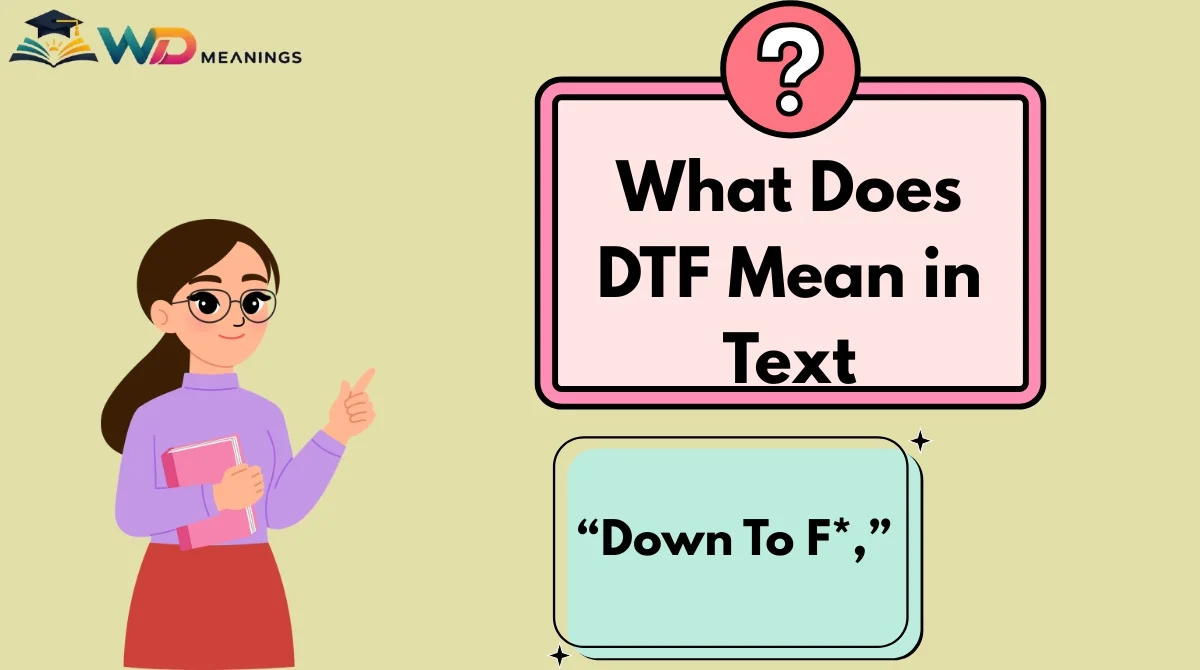
DTF in text usually means “Down To F*,” a slang expression showing that someone is willing or interested in having casual sexual activity.** It is an informal, adult phrase commonly used in dating apps and private chats. The tone can be playful, direct, or explicit depending on the conversation.
What Does DTF Mean in Text?
The most common meaning of DTF in texting is “Down To F*.”**
The phrase “down to” means willing, interested, or open to doing something. The letter F represents a vulgar slang word for sexual intercourse. Because of its explicit nature, DTF is considered adult slang and is usually used in private conversations rather than everyday communication.
Simple Definition
DTF = Down To F* = Interested or willing to have sex.**
It is often used to describe someone’s sexual interest, especially in casual dating situations.
How Is DTF Pronounced?
People usually pronounce DTF by saying each letter separately:
“D-T-F”
Some people may simply say the full phrase instead, but the abbreviation is much more common in online communication.
Tone and Emotional Meaning
The meaning of DTF is not only about the words themselves. The tone depends on who says it and why.
It can sound:
- Direct: Someone openly expressing sexual interest.
- Flirty: Used between people who already have a romantic or sexual connection.
- Casual: Used in dating conversations without emotional expectations.
- Rude or inappropriate: If sent without consent or in an unwanted situation.
Example Text Message
Person A: “Are you looking for something serious or casual?”
Person B: “Honestly, I’m just DTF.”
In this example, the person is saying they are interested in a casual sexual encounter rather than a serious relationship.
Origin and Background
The exact first use of DTF is difficult to trace, but the phrase comes from the longer expression “down to”, which has been used in English for many years to mean being willing or interested in something.
The abbreviation became popular as internet slang grew through online forums, instant messaging, social networks, and dating platforms. Like many online abbreviations, DTF became common because shorter expressions were easier to type and quickly understood by users familiar with internet culture.
Over time, it became strongly associated with dating and hookup conversations, especially through online dating communities.
How DTF Is Used in Text Conversations
DTF is mainly used in private conversations where people discuss attraction, dating, or casual relationships. It is rarely used in normal everyday chats with friends, family, or coworkers.
The meaning can change depending on the relationship between the people involved.
Casual Use
Some people use DTF to clearly communicate that they are interested in a casual sexual situation.
Example:
“I’m not looking for a relationship right now. I’m just DTF.”
Flirty Use
Between two people who already flirt, DTF may be used as a bold joke or suggestive message.
Example:
“You coming over tonight? 😏”
“Maybe… are you DTF?”
Humorous Use
Sometimes people use DTF jokingly by changing the meaning or exaggerating the phrase.
For example:
“I’m DTF.”
“Down To Feast. I’m talking about pizza.”
In these cases, the person is playing with the abbreviation rather than using its common adult meaning.
Negative or Unwanted Use
If someone sends DTF without the other person showing interest, it can feel disrespectful or uncomfortable. Context and consent matter.
A message like:
“Hey, are you DTF?”
from a stranger may come across as overly sexual or inappropriate.
What DTF Means on Different Platforms
The meaning of DTF usually stays the same across platforms, but the environment changes how people interpret it.
On WhatsApp, DTF is usually found in private chats between people who know each other or are discussing dating. Since WhatsApp conversations are often personal, the abbreviation may appear more openly.
Snapchat
Snapchat’s casual and private messaging culture makes slang like DTF more common. However, users should remember that not everyone wants sexual conversations, and sending explicit messages without permission can be unwelcome.
On Instagram, DTF may appear in direct messages, comments, or dating-related conversations. Public use can seem attention-seeking or inappropriate because Instagram is often more visible.
TikTok
TikTok users may mention DTF in jokes, memes, or discussions about dating slang. Many videos use the term for humor rather than as a direct invitation.
Facebook has a wider age range of users, so DTF may appear less frequently. When it does appear, it is usually connected to private messages or dating communities.
Discord
On Discord, the meaning depends on the server and community. Gaming or hobby communities may consider unexpected sexual slang inappropriate, while adult communities may use it more casually.
Dating Apps
DTF is especially common on dating platforms. Some users include it in profiles to communicate that they are interested in casual encounters rather than traditional dating.
What Does DTF Mean From a Girl or Guy?
The meaning of DTF does not change based on whether a girl or guy says it.
A person of any gender may use DTF to express sexual interest. The important clues are:
- The relationship between the people
- Previous conversations
- The overall tone
- Emojis or punctuation
- Whether both people are comfortable with that type of conversation
For example:
“Are you DTF? 😂”
may be a joking message between two close friends who flirt.
However:
“You DTF?”
from a stranger may be a direct sexual message.
The sender’s gender does not determine the meaning. The situation does.
Other Possible Meanings of DTF
Although “Down To F*” is the most common meaning in texting**, DTF can have other meanings in different contexts.
| Meaning | Context | Example |
|---|---|---|
| Down To F*** | Dating, adult conversations, private chats | “Are you DTF tonight?” |
| Down To Fight | Gaming, arguments, joking challenges | “You DTF? Let’s settle this.” |
| Down To Finish | Work, projects, tasks (rare) | “I’m DTF this assignment today.” |
| Digital Transfer Function | Technical fields | “The engineer tested the DTF system.” |
In normal texting and social media conversations, the adult meaning is by far the one most people recognize.
How to Respond to DTF
Your response depends on your comfort level and the relationship with the sender.
If You Are Interested
Example:
“I’m open to that, but let’s talk more first.”
If You Want to Keep It Casual
“I’m just looking to chat and see where things go.”
If You Are Not Interested
“No, I’m not looking for that.”
If You Want to Be Funny
“DTF? Down To Find tacos? Because yes.”
If You Are Confused
“What do you mean by DTF?”
If Someone Crossed a Boundary
“I’m not comfortable with messages like that.”
You never have to respond in a way that makes you uncomfortable.
Similar Texting Terms and Differences
| Term | Meaning | Key Difference |
|---|---|---|
| DTF | Down To F*** | Directly refers to sexual interest |
| FWB | Friends With Benefits | Describes a casual relationship arrangement |
| NSA | No Strings Attached | Focuses on avoiding emotional commitment |
| ONS | One Night Stand | Refers to a single sexual encounter |
| HMU | Hit Me Up | General invitation to contact someone |
These terms may appear together in dating conversations, but they describe different levels of interest or relationship expectations.
Common Misunderstandings About DTF
Many people misunderstand DTF because abbreviations can hide the seriousness or tone behind a message.
Mistaking It for a Friendly Phrase
Someone unfamiliar with internet slang may think DTF means something harmless. In most modern texting situations, it has an adult meaning.
Ignoring Context
A message from a dating match is very different from a joke between friends.
Assuming Intent
Seeing DTF does not automatically tell you someone’s personality or intentions. It only tells you what they are expressing in that moment.
Capitalization Differences
DTF is usually written in capital letters because it is an abbreviation. Lowercase versions like “dtf” usually mean the same thing.
Is DTF Appropriate or Safe to Use?
DTF is informal adult slang and is not appropriate for many situations.
Avoid using it in:
- Workplace communication
- School conversations
- Professional messages
- Conversations with people who have not shown interest in sexual topics
It may be acceptable between consenting adults who understand each other’s boundaries.
Because DTF is a sexual phrase, sending it unexpectedly can make someone uncomfortable. Always consider whether the conversation is appropriate and whether the other person is comfortable.
Examples of DTF in Text
- “Are you DTF or just looking for someone to talk to?”
- “My profile says I’m not looking for anything serious. Just being honest, I’m DTF.”
- “Wait, when you said DTF, you meant that? 😂”
- “No thanks, I’m not DTF. I’m looking for something different.”
- “He put DTF in his dating profile, so at least he was clear about what he wanted.”
- “You’re DTF tonight? I thought we were just getting dinner.”
- “DTF? Depends… does that include dessert?”
- “I don’t think sending DTF to someone you barely know is a good idea.”
- “She used DTF jokingly and everyone misunderstood her.”
- “I had to search what DTF means because I saw it in a message.”
- “We’re not on the same page. I’m not DTF, I want a relationship.”
- “He asked if I was DTF, and I changed the subject.”
Frequently Asked Questions
What does DTF mean in texting?
DTF usually means “Down To F***” in texting. It is adult slang used to express sexual interest or willingness. The phrase is most common in dating conversations, private messages, and casual online interactions.
Is DTF a bad word?
DTF contains a vulgar sexual word, so many people consider it inappropriate in formal situations. It is not suitable for professional communication but may be used privately between consenting adults.
Does DTF mean the same thing on dating apps?
Yes, on most dating apps DTF usually means someone is interested in casual sexual activity. However, users should still look at the full profile and conversation because people communicate their intentions differently.
Can DTF have a non-sexual meaning?
Yes, but those meanings are uncommon in everyday texting. In online conversations, the sexual meaning is usually assumed unless the surrounding context clearly suggests another interpretation.
How should I reply if someone texts DTF?
Your reply depends on your feelings. You can show interest, decline politely, ask what they mean, or set a boundary. You do not need to respond positively if you are uncomfortable.
Is DTF appropriate for teenagers?
DTF is adult slang with a sexual meaning. Younger users may encounter it online, but it is important to understand the meaning and be careful about personal boundaries and online safety.
Conclusion
DTF in text usually means “Down To F*,”** a slang phrase expressing sexual interest or willingness.
While it is common in dating apps and private conversations, its meaning depends on context, relationship, and tone.
The abbreviation is informal and often considered explicit, so it should be used carefully.
If someone sends DTF to you, consider the situation and your comfort level before responding.
Understanding internet slang helps you communicate clearly and avoid unwanted misunderstandings.

Hamz Ellis is a content writer at WD Meanings, specializing in internet slang, texting abbreviations, and digital communication. He creates clear, well-researched, and easy-to-understand content to help readers quickly find the meanings of modern online terms.